The Purpose of this Resource
Despite widespread global endorsement, the Sustainable Development Goals are falling significantly behind schedule. Current data shows that over 80% of targets are not on track to be met by 2030. This lag is the result of deep structural challenges: chronic underinvestment in sustainability, fragmented international cooperation, economic disruption caused by geopolitical conflict, and ongoing impacts from climate-related disasters and the COVID-19 pandemic. Even more pressing is the reality that many developing nations face disproportionate obstacles. Burdened by debt, reliant on fossil fuels, and constrained by weak infrastructure, they often lack the policy space or financial capacity to implement SDG-aligned reforms, even when the political will exists.
This widening gap between global climate ambitions and local realities is what drives Patrick's commitment to sustainable development. International agreements like the Paris Accord have laid an important foundation for climate action, but the road ahead is far more nuanced than broad emissions targets can capture. Socioeconomic conditions, institutional readiness, and cultural context all shape how, and whether, climate goals can be achieved on the ground. Patrick's experience working across sectors and borders, has shown how well-intentioned initiatives can falter when they are detached from these realities.
To help close that gap, Patrick developed the website to focus on sharing targeted insights, strategies, and tools to support more regionally responsive SDG progress. The platform highlights tested approaches for integrating sustainability into policy, planning, and governance, offering resources for policy makers, community organisers, and innovators alike.
As part of this effort, an energy strategy is also proposed. The framework strategy responds directly to the limitations of the green agenda, especially the underestimation of fossil fuel dependency and infrastructure gaps. The strategy doesn’t reject ambition, but it does call for realism, i.e., a pathway where renewables are expanded alongside transitional energy sources, where affordability, equity, and energy security remain central to long-term planning.
Project Leader & Technical Consultant
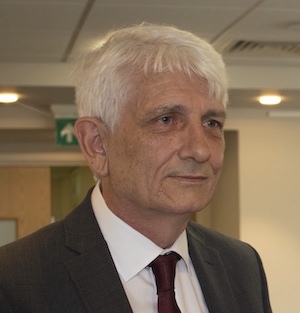
Profile of Dr. Patrick Reynolds
With over three decades of global sustainability experience, Patrick's career blends environmental science with leadership across international initiatives. From river basin planning in the Western Balkans to advancing water cooperation in the Black Sea and Danube regions, his work has focused on building systems that are not just technically sound but tailored to local realities.
Patrick has led multidisciplinary teams under the EU, World Bank, UNDP, and GEF, translating environmental directives into actionable strategies. Whether tackling chemical pollution or supporting water governance reforms, the focus is on bridging science, policy, and community needs with practical, inclusive solutions.
Innovation has been a driving force throughout his career. Collaborating with inventors and entrepreneurs, Patrick has helped launch new initiatives and shape forward-thinking policy models. His mission - to turn bold ideas into tangible impact through creative problem-solving and a shared commitment to sustainability.